High-octane gallery featuring elite 4×4 racing and off-road champions. Captured through the lens of passion and extreme performance.


Off-road Photography
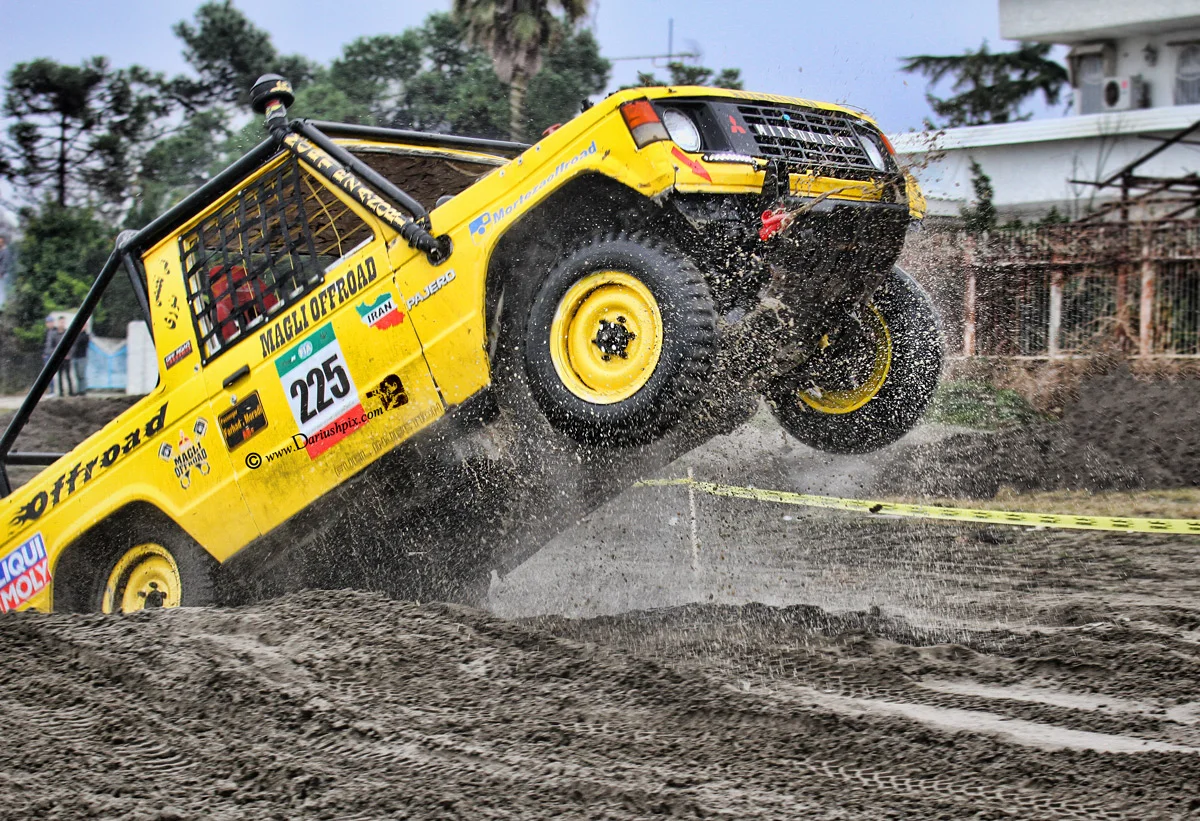
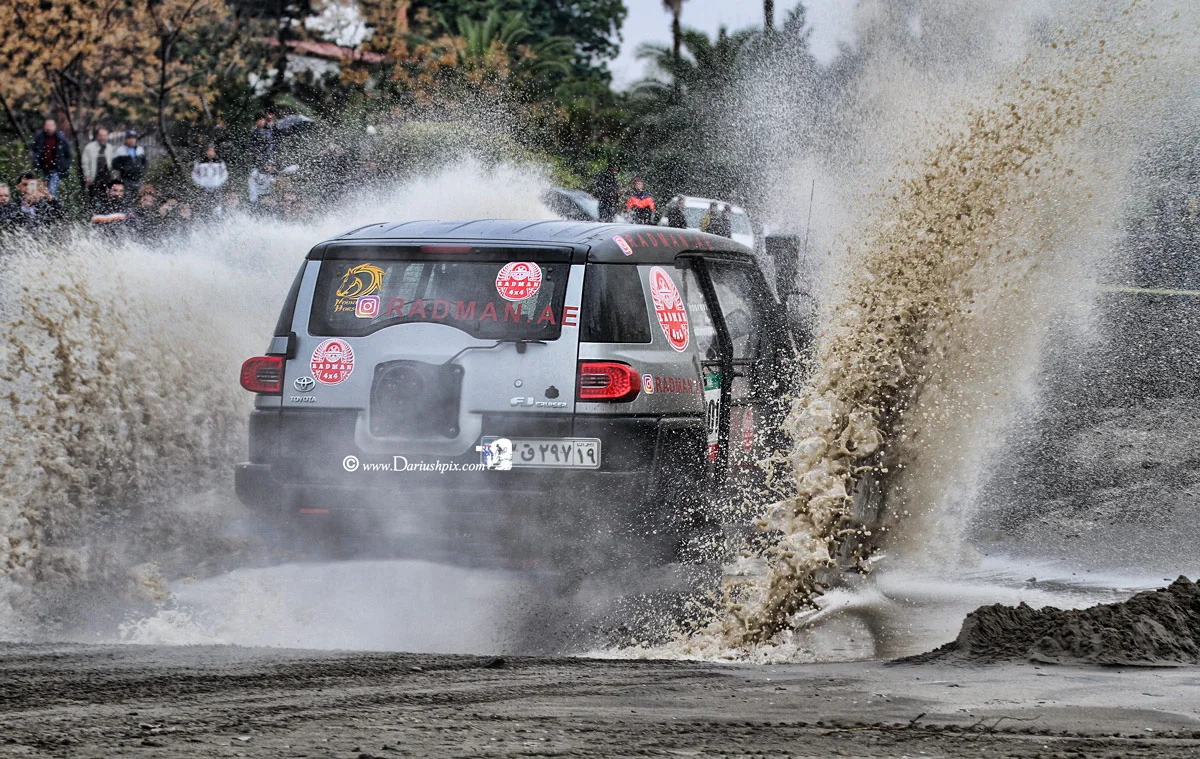
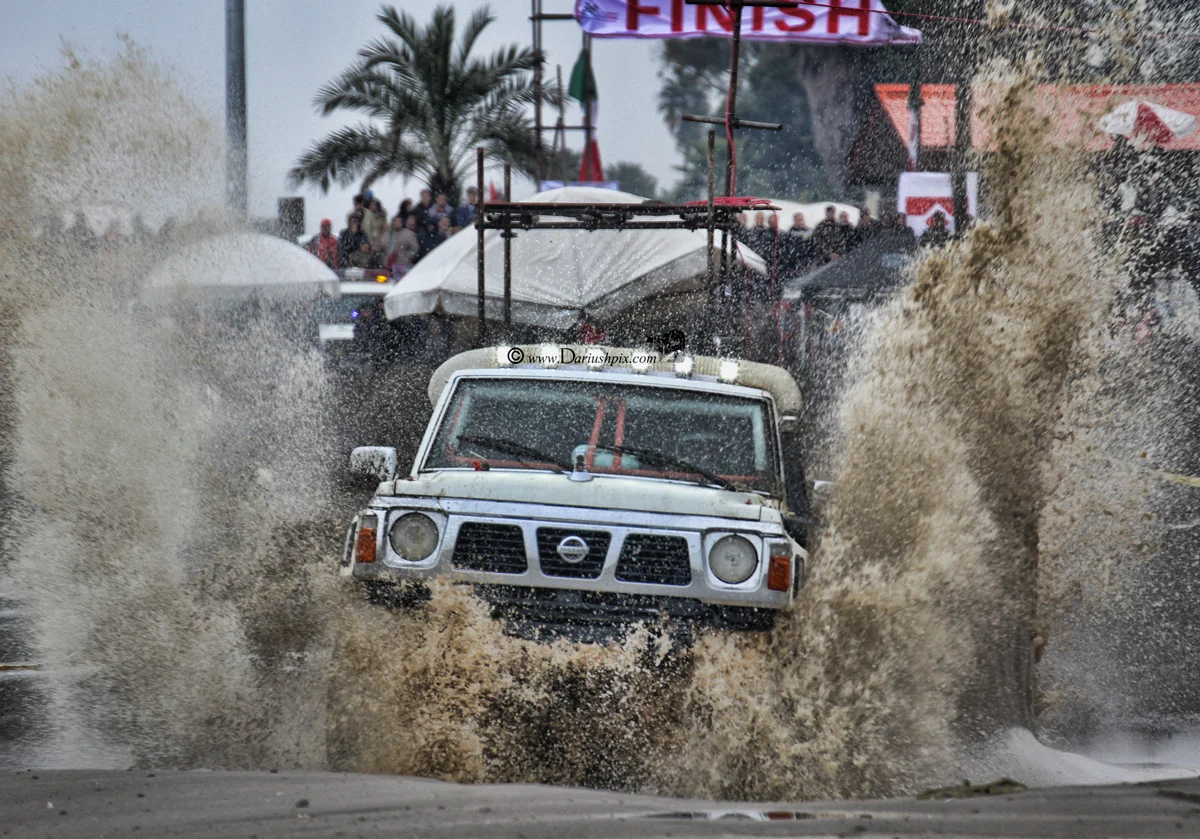
Off-Road Photography is a high-octane blend of landscape, action, and automotive photography. It’s about capturing the raw power of a machine as it battles the elements—dirt, mud, rock, and water. Unlike a clean studio shoot, off-road imagery thrives on grit and the “soul” of the adventure.
1. Capturing the Sense of Motion
To convey the speed and power of an off-road vehicle, you have to move beyond static shots.
- The “Panning” Technique: By using a slower shutter speed (e.g., 1/60s) and moving your camera in sync with the vehicle, you blur the background while keeping the truck sharp. This creates an intense feeling of velocity.
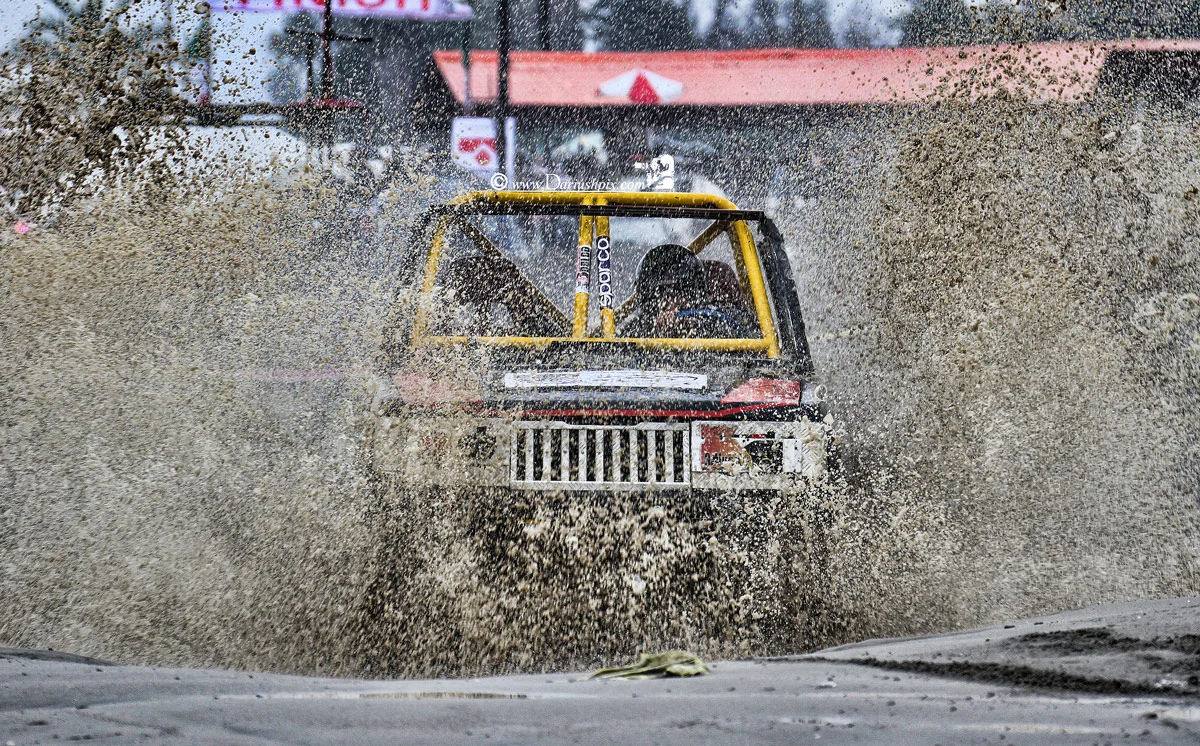
- Freezing Action: On the flip side, using a fast shutter speed (1/1000s or higher) allows you to freeze individual grains of sand, flying mud, or water droplets as a vehicle splashes through a crossing. These “frozen” textures add a tactile, aggressive quality to the photo.
2. Low Angles and Perspective
To make a vehicle look imposing and “heroic,” the camera needs to get down in the dirt.
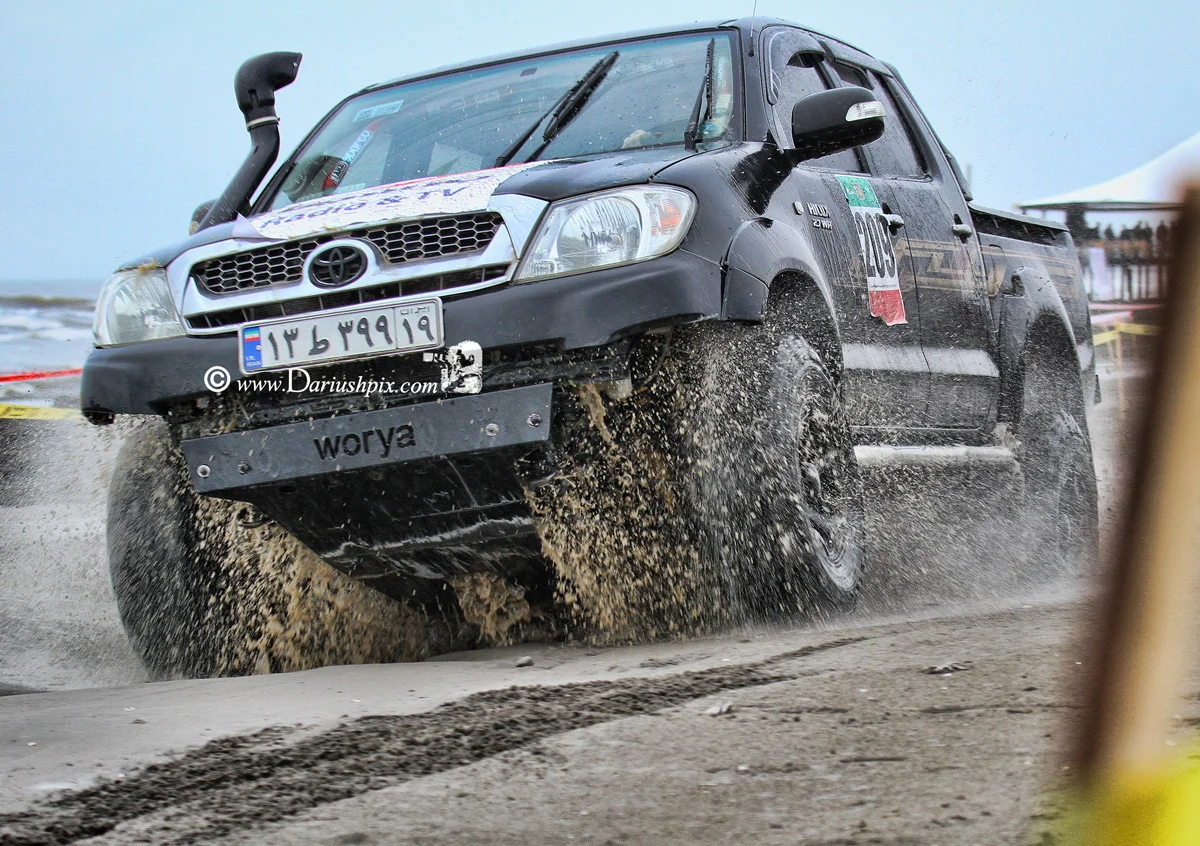
- The Low-Angle Shot: Shooting from a knee-level or ground-level perspective makes the tires look massive and the suspension travel appear more dramatic. It emphasizes the vehicle’s dominance over the terrain.
- Using a Wide-Angle Lens: A wide lens (e.g., 16mm to 24mm) allows you to get close to the action while still capturing the vastness of the environment—whether it’s a desert dune or a mountain pass. This creates a sense of “immersion” for the viewer.
3. Composition: The Vehicle in the Landscape
Off-roading is as much about the destination as it is about the drive.
- The Rule of Thirds: Instead of centering the vehicle, place it on one of the vertical lines. Leave “negative space” in front of the vehicle so it appears to be driving into the frame, giving the viewer a sense of the path ahead.
- Leading Lines: Use the tracks left in the mud or the curve of a ridgeline to lead the viewer’s eye directly to the vehicle.
4. Lighting and Environmental Challenges
The best off-road shots happen in the harshest conditions.
- Dust and Backlighting: If you position yourself so the sun is behind the vehicle, the dust kicked up by the tires will catch the light and glow, creating a dramatic, hazy atmosphere that screams “adventure.”
- The “Blue Hour”: Shooting just after sunset with the vehicle’s LED light bars turned on creates a high-tech, futuristic look against the deep blue of the sky and the rugged textures of the earth.
5. Technical Protection
Off-road photography is brutal on gear.
- Lens Protection: A UV filter is a must to protect your glass from flying pebbles.
- Weather Sealing: Since you’ll be dealing with dust and moisture, using a weather-sealed camera body and lens is critical to ensure your equipment survives the trek.