Explore a curated collection of professional fashion photography, where style meets cinematic storytelling. From avant-garde editorial spreads to high-fashion portraiture, witness how light, texture, and high-end aesthetics define the modern garment industry. Experience the intersection of haute couture and professional visual artistry.

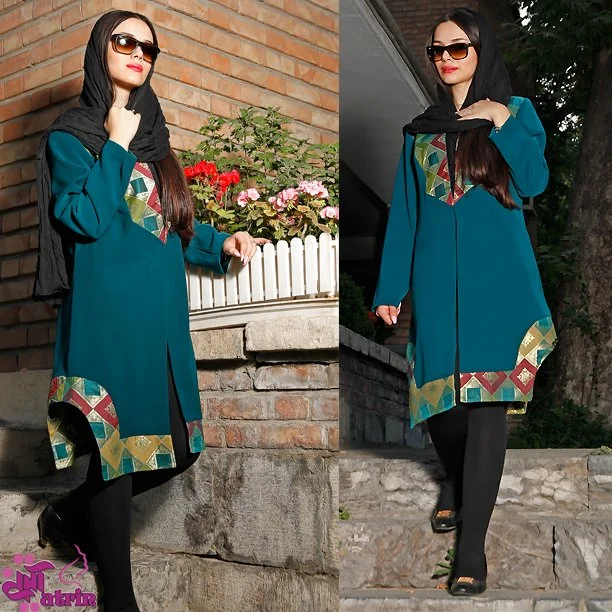
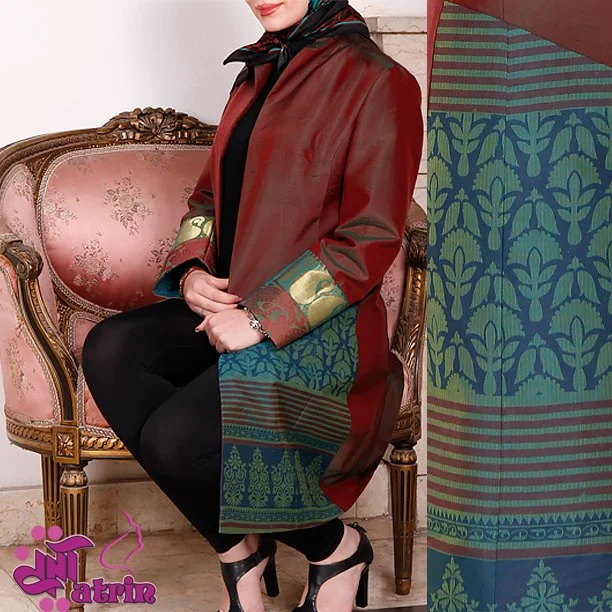
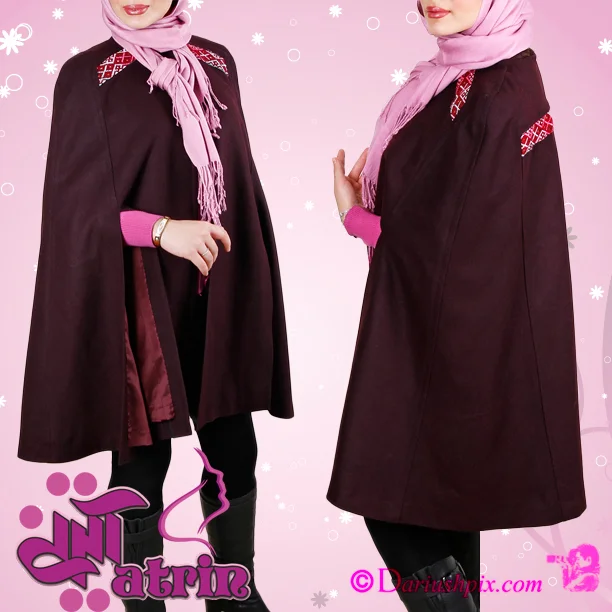
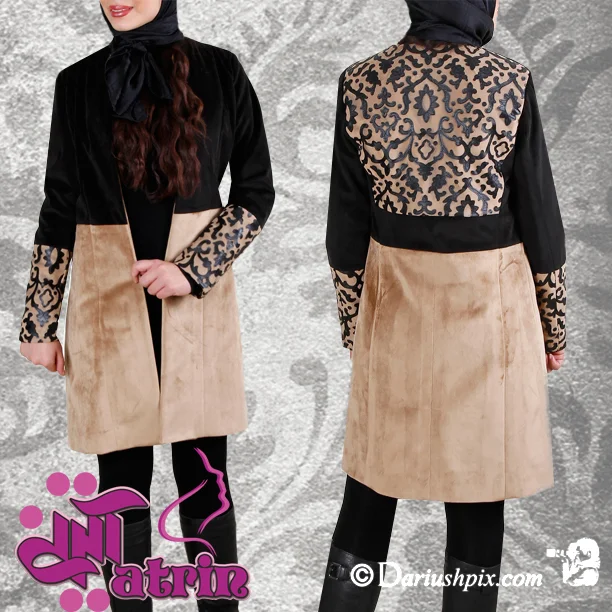

Fashion Photography
In the realm of high-end commercial imagery, Fashion Photography stands as the ultimate intersection of technical mastery, storytelling, and cultural expression. It is an industry that goes far beyond simply showcasing clothing; it creates a dream, a mood, and an identity that the viewer aspires to inhabit.
The Essence of the Narrative
At its core, professional fashion photography is about narrative. Whether it is a high-fashion editorial for a magazine or a commercial lookbook, the image must answer a question: Who is this person, and what world do they live in?
- Editorials: These are the “art” of the fashion world. They often favor avant-garde concepts, dramatic lighting, and cinematic locations to tell a story that might be provocative, nostalgic, or futuristic.
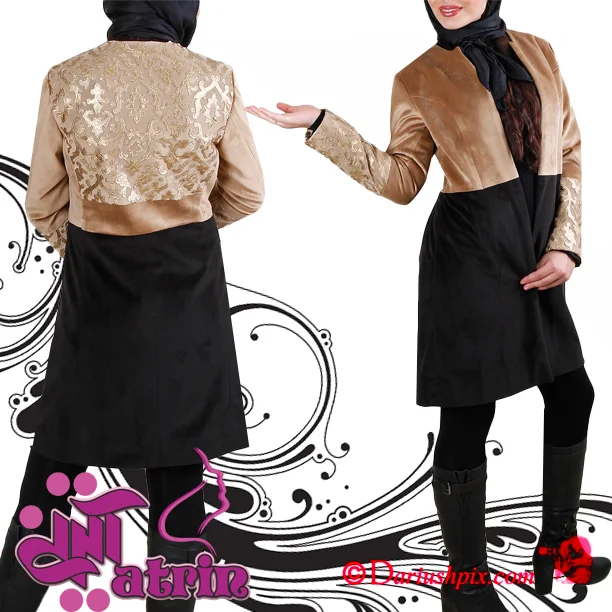
- Commercial/E-commerce: Here, the focus shifts to the garment’s fit, texture, and movement. While more straightforward, it requires incredible precision in lighting to ensure colors are accurate and fabrics look premium.
Technical Artistry: Lighting and Movement
Fashion is dynamic, and the photography must reflect that energy. Capturing a silk dress mid-flow or the sharp silhouette of a tailored suit requires a deep understanding of optics.
1. Shaping with Light
Lighting in fashion is used to sculpt the body and highlight the craftsmanship of the attire.
- High Contrast/Hard Light: Often used in “edgy” street-style or luxury shoots to create deep shadows and highlight bold structural designs.
- Soft, Diffused Light: Common in beauty and romantic editorials to create a flawless, ethereal glow on both the skin and the fabric.
2. The Relationship Between Photographer and Model
Unlike still-life or architectural photography, fashion is a collaborative performance. A professional photographer must act as a director, guiding the model’s posing and expression to align with the brand’s “soul.” This synergy is what allows a static image to convey attitude and motion.
Composition and Aesthetic Trends
Modern fashion photography has moved away from the “perfect” studio look toward more authentic and raw aesthetics.
- Location Scouting: From the brutalist architecture of a city to the golden hour in a desert, the background acts as a secondary character that provides context to the clothing.
- Color Grading: Post-production is used to create a signature look—whether it’s a muted, vintage film aesthetic or a hyper-saturated, digital vibrance that pops off a smartphone screen.
Conclusion
Fashion photography is the art of selling a lifestyle through a single frame. It requires the technical eye of a product photographer to handle textures and reflections, the soul of a portrait artist to capture human emotion, and the vision of a director to build an entire world around a single outfit. In this space, every stitch tells a story, and every shadow adds depth to the brand’s identity.