Professional food photography of a gourmet plated dish in a rustic restaurant setting, featuring soft natural side-lighting, shallow depth of field, and artisanal table styling.


Food Photography
In the high-stakes world of commercial art, Food Photography is perhaps the most visceral discipline. It is the art of making a two-dimensional image trigger a three-dimensional sensory response. In 2026, with the dominance of visual menus and social discovery, a professional food photograph isn’t just a picture of a meal; it is a calculated psychological trigger designed to evoke craving, comfort, and quality.
1. Visual Engineering: The “Hero” Shot
Every dish has a “hero” angle—the specific perspective that highlights its best attributes.
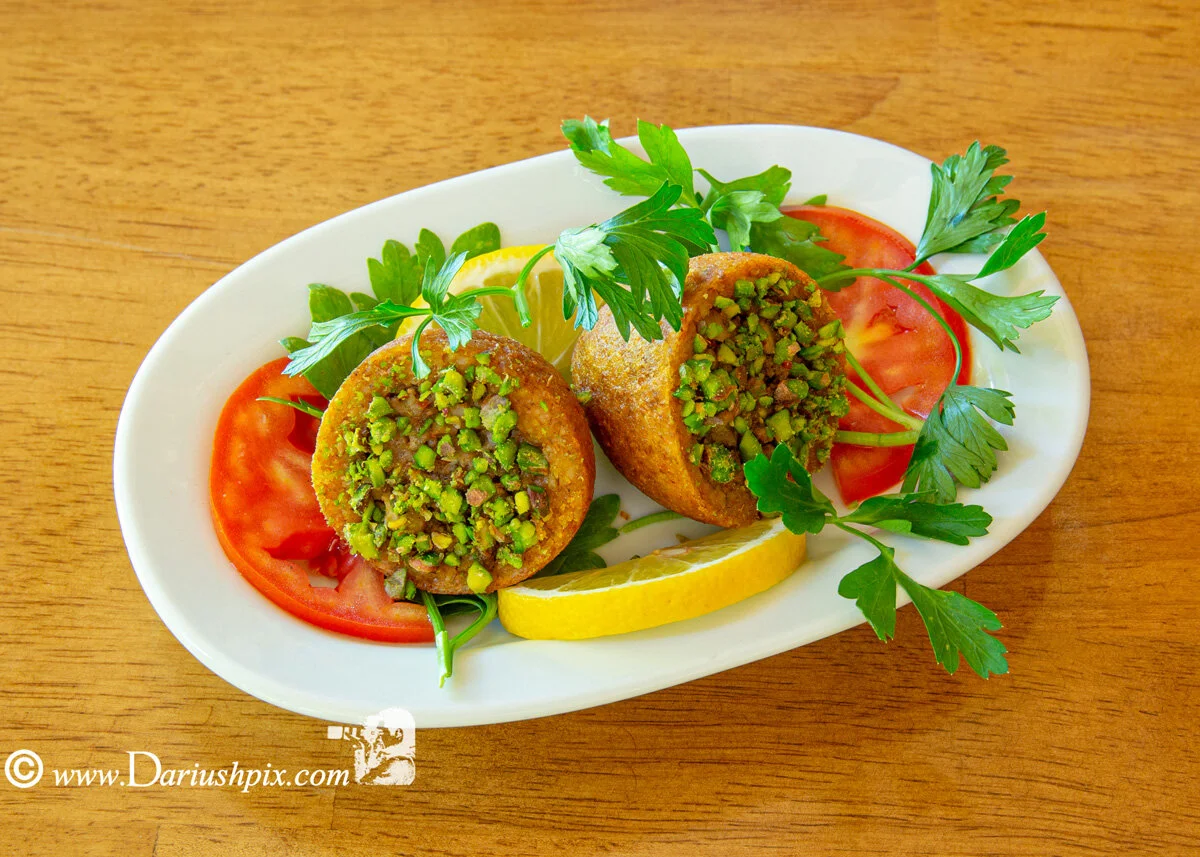
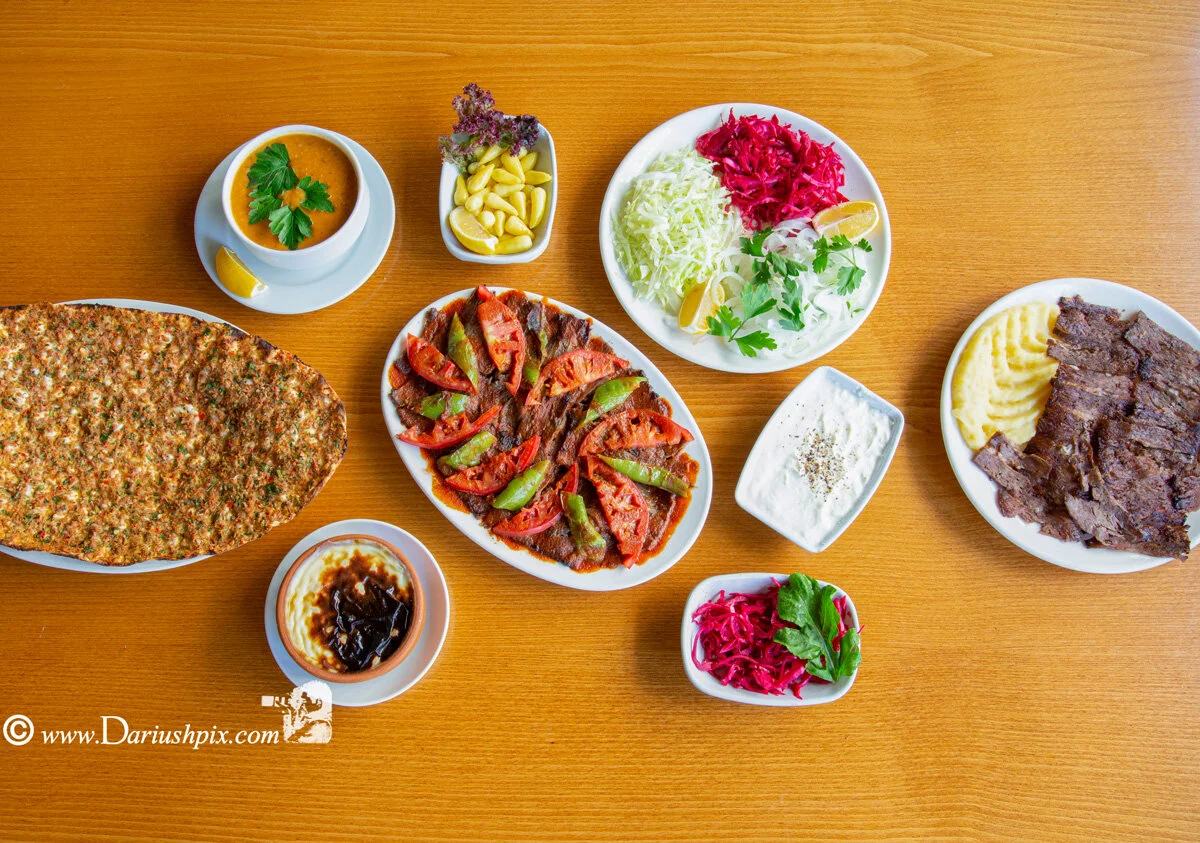
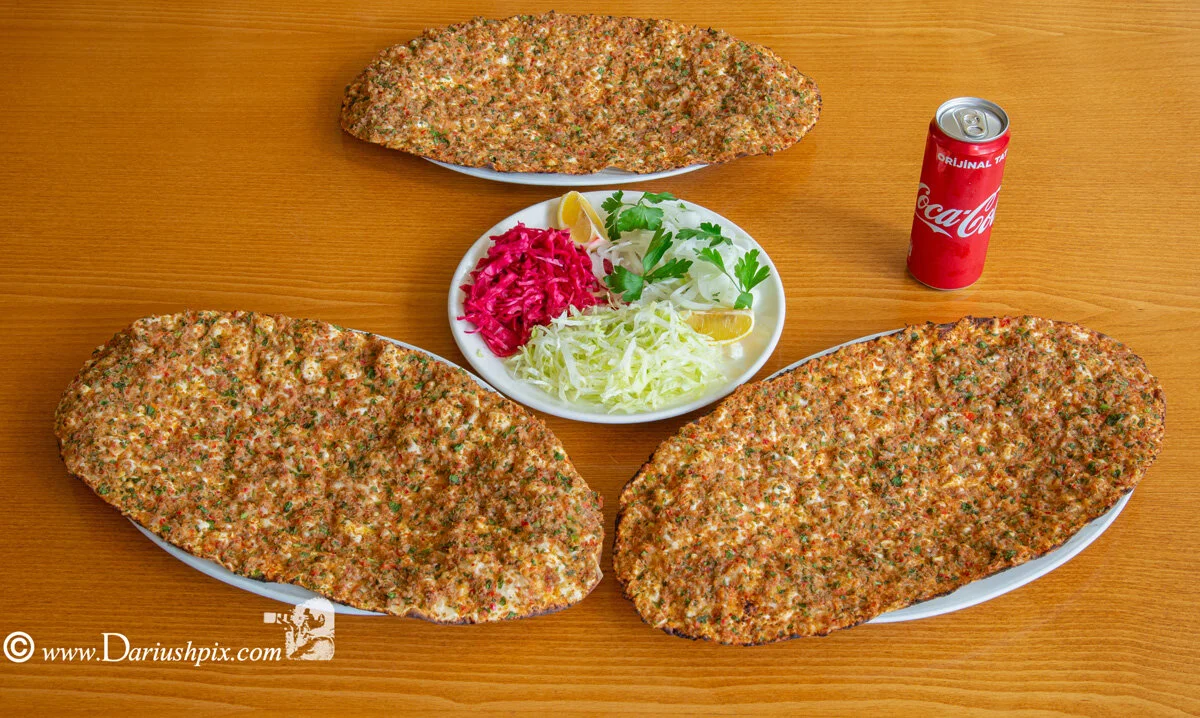
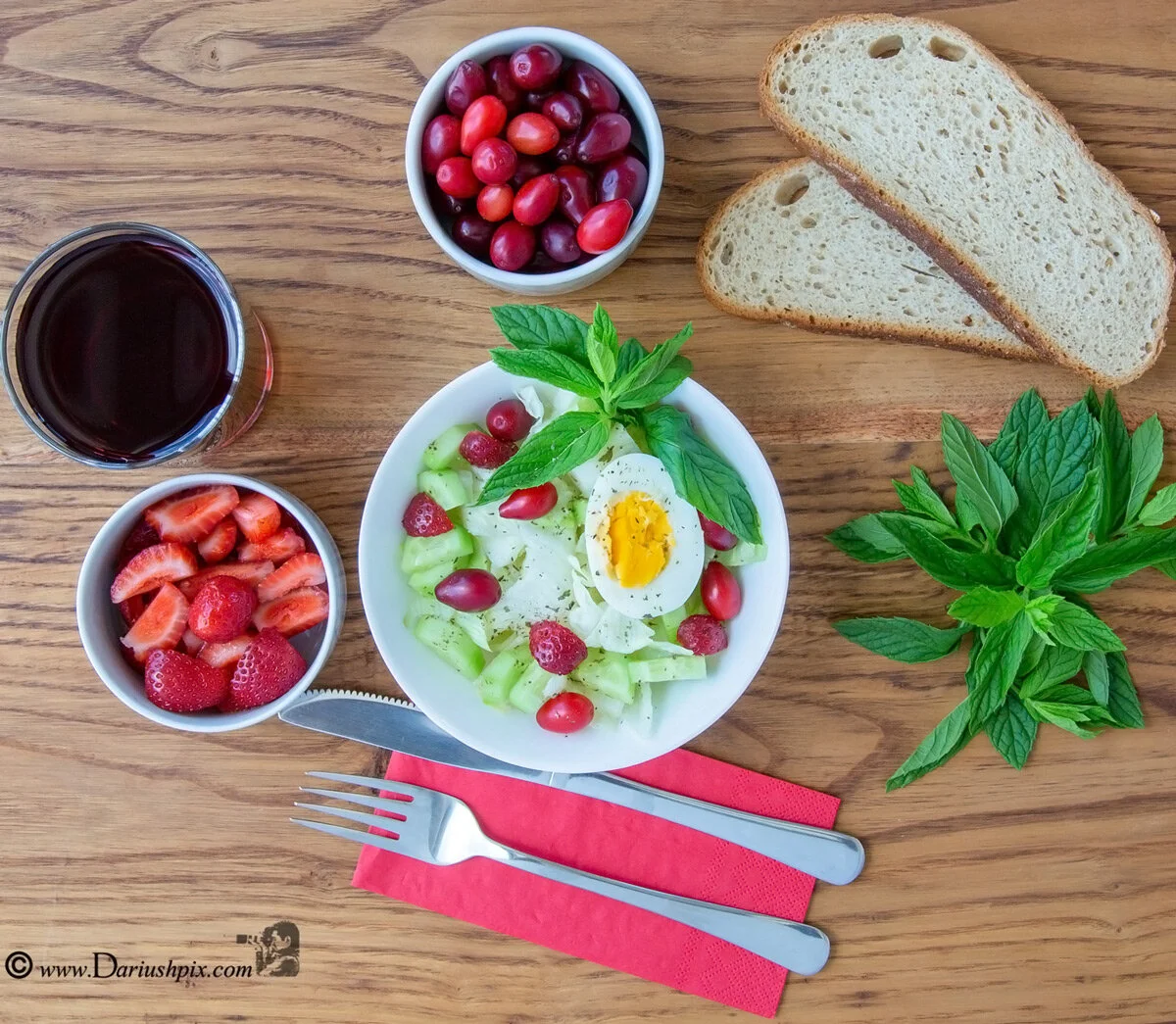
- The 90-Degree Flat Lay: Perfect for graphic, colorful spreads like mezze platters or artisan pizzas, where the geometry of the table tells the story.
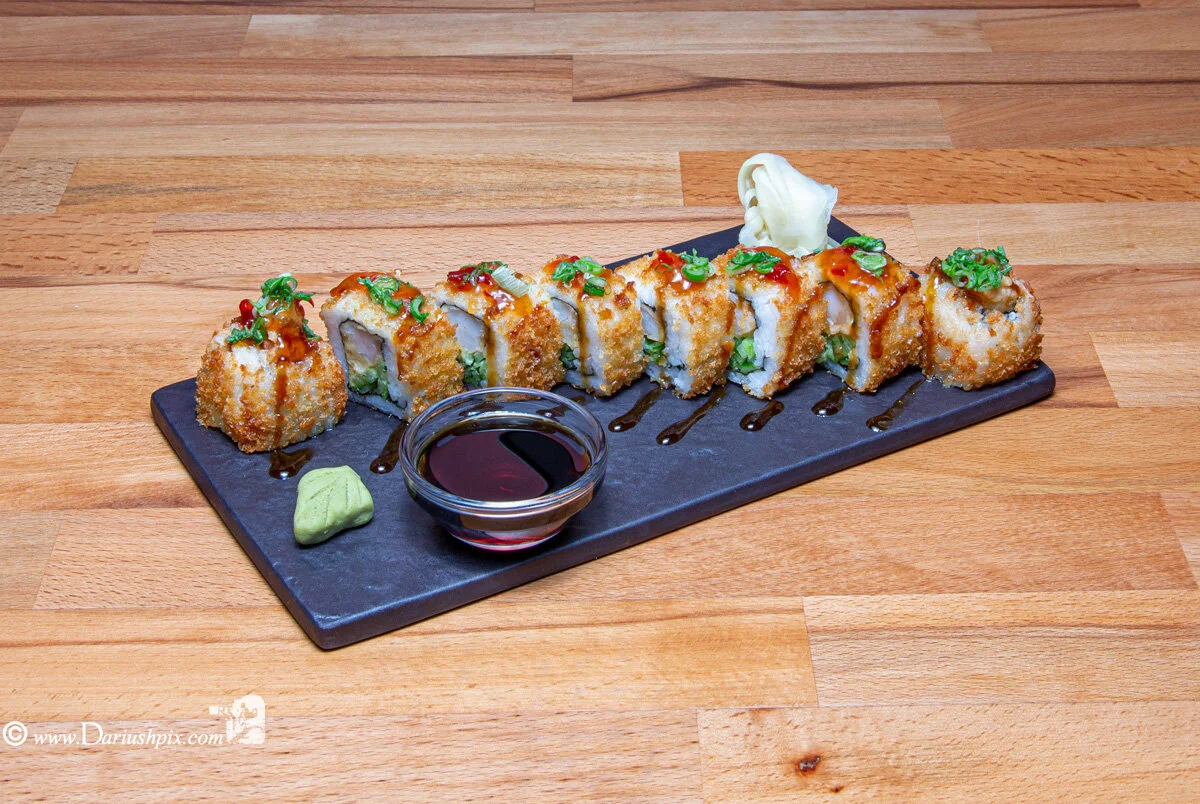
- The 45-Degree Angle: This mimics the diner’s perspective. It provides a sense of depth and scale, making the viewer feel as though they are sitting right in front of the plate.
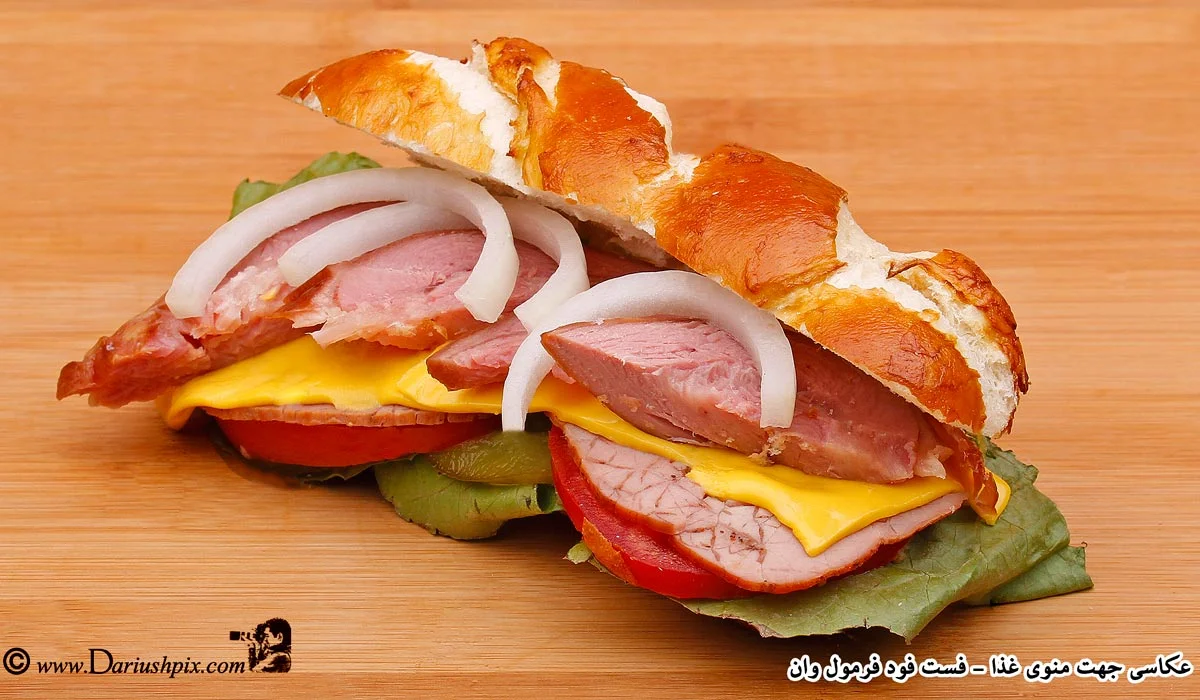
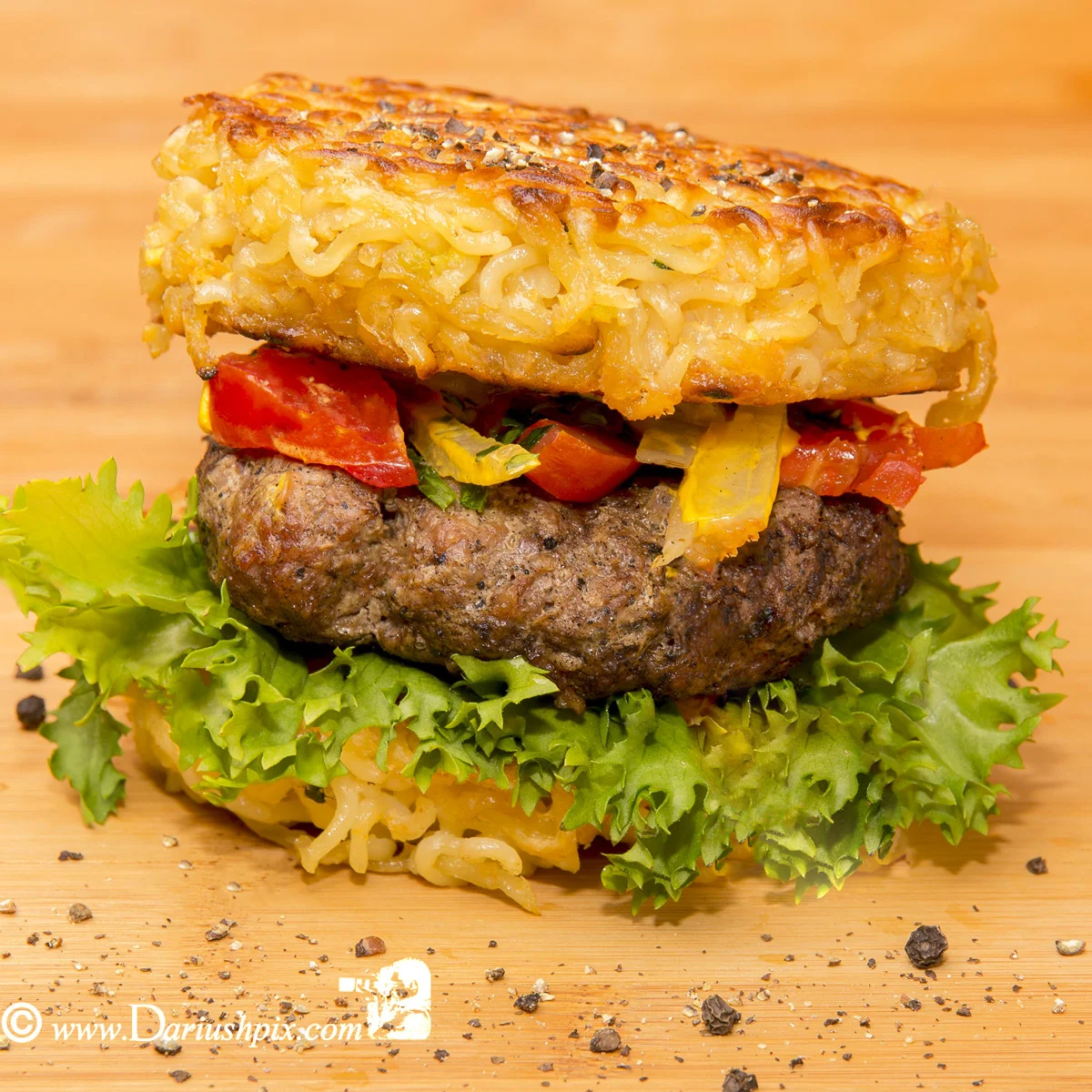
- The Eye-Level (0-Degree): Essential for “stacked” foods like gourmet burgers, towering pancakes, or layered cocktails, where the architecture of the food is the star.
2. Mastering the Elements: Light and Texture
Lighting in food photography is never accidental. It is used to sculpt the food and define its texture.
- Side Lighting: This is the industry standard for creating depth. By hitting the food from the side, you emphasize the craggy crust of sourdough or the delicate grain of a seared steak.
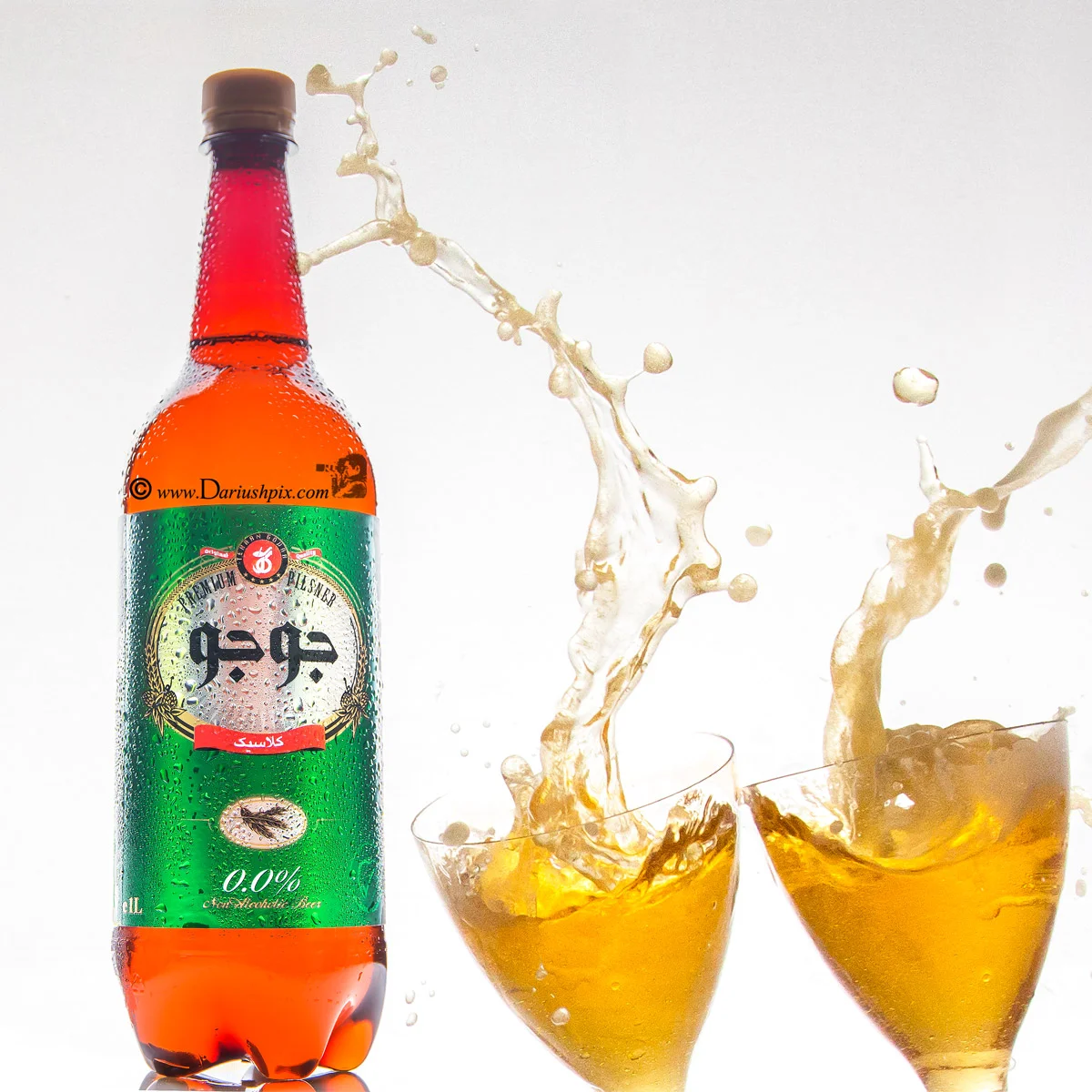
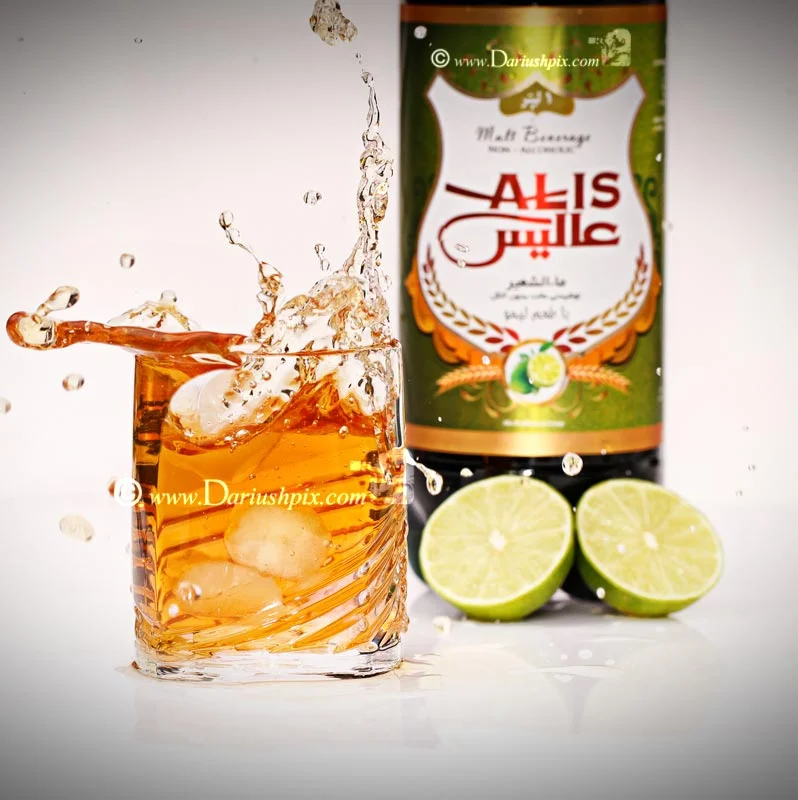
- Backlighting for Translucency: To make a drink look refreshing or a soup look vibrant, light is often placed behind the subject. This makes liquids “glow” and highlights the steam rising from a hot dish.
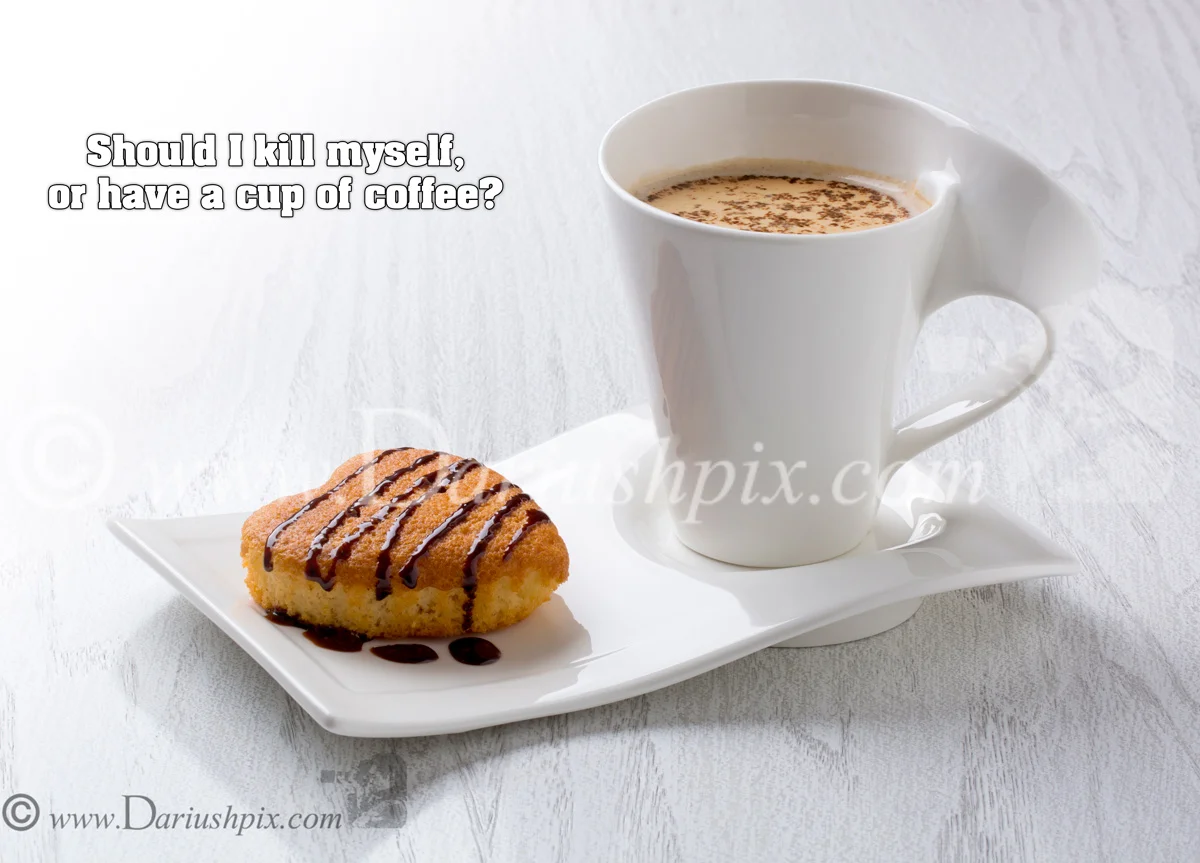
- Diffused Softness: Harsh shadows are the enemy of appetite. Professionals use large silk diffusers to mimic the soft, flattering light of a North-facing window.
3. The Modern Aesthetic: “Perfect Imperfection”
The trend has shifted away from the plastic-looking, overly-stylized food of the past. Today’s audience craves authenticity.
- The Lived-In Look: A few scattered crumbs, a casual smudge of sauce, or a slightly wrinkled linen napkin add a human element. It suggests that the food was just prepared and is ready to be enjoyed.
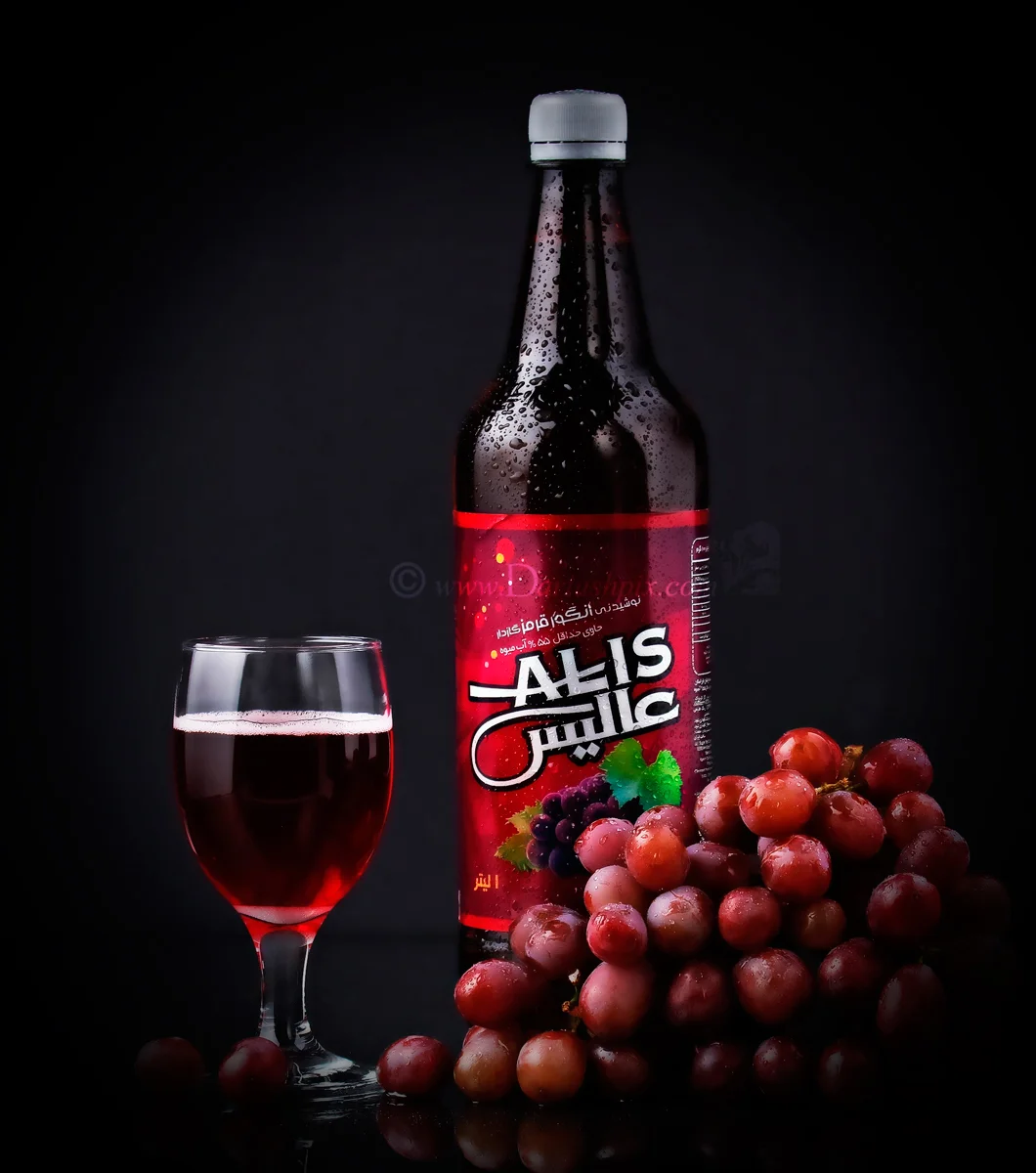
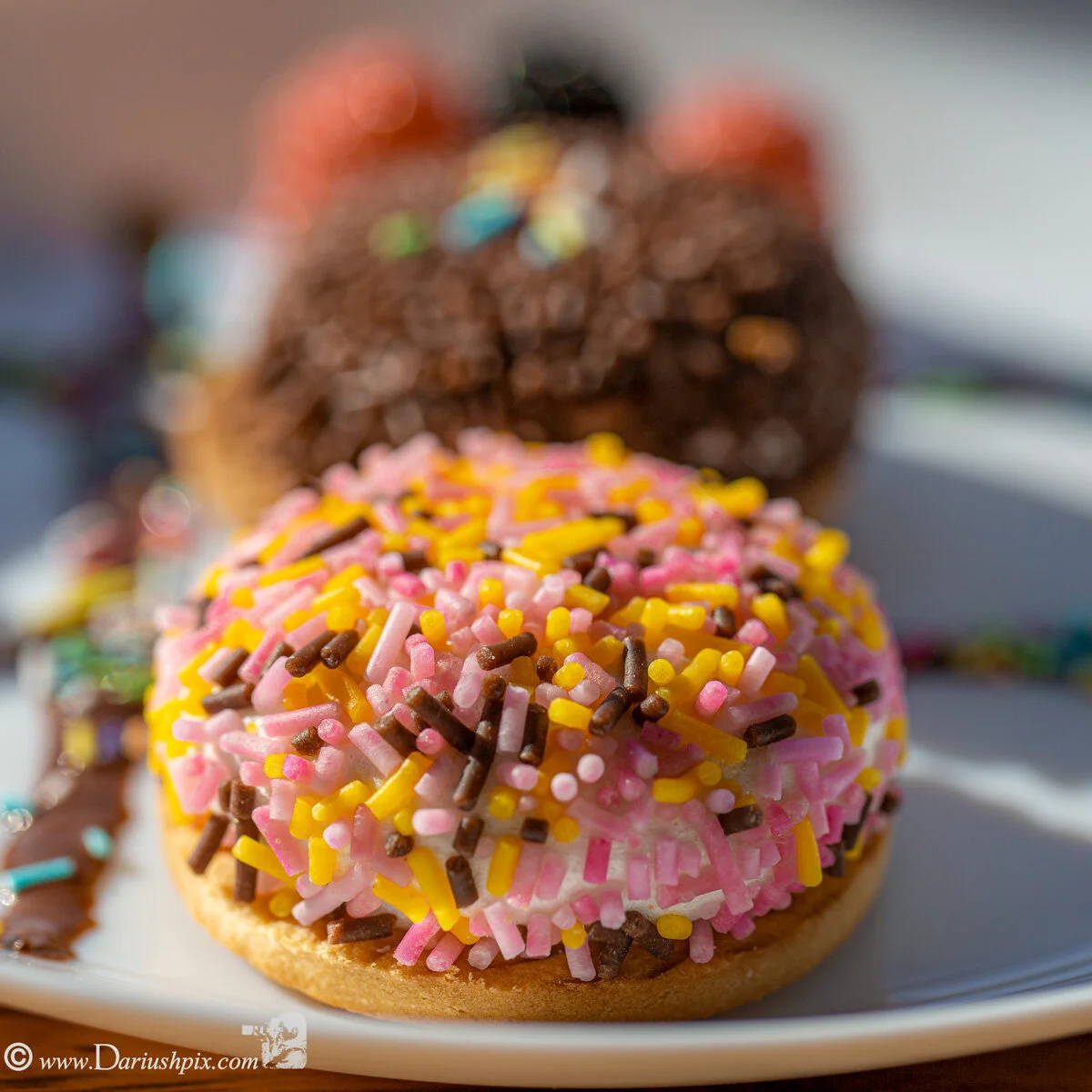
- Macro Detail: High-resolution sensors allow us to get so close that the viewer can see the salt crystals on a pretzel or the condensation beads on a cold glass, creating a tactile experience.
4. Food Styling and Motion
Behind every great shot is meticulous styling. Whether it’s using tweezers to place a single micro-green or applying a light coat of oil to keep vegetables looking garden-fresh under hot lights, the details matter.
Furthermore, Motion has become a staple of modern food photography. Capturing a “pour” of maple syrup, a “dusting” of powdered sugar, or the “pull” of melted cheese adds a dynamic, cinematic quality that static images simply cannot match. It captures a moment in time, making the food feel alive.
Conclusion
Professional food photography is where culinary talent meets technical precision. By balancing the symmetry of the plate with the soul of the ingredients, a photographer creates a bridge between the kitchen and the consumer, turning a simple recipe into an irresistible masterpiece.