Capturing the split-second precision of professional dragsters. A visual tribute to raw horsepower and the masters of the asphalt.

Drag Racing Photography
Drag Racing Photography is the art of capturing raw, explosive energy within a matter of seconds. In this niche, there is no room for error; the “soul” of the sport lies in the deafening noise, the smell of burnt rubber, and the literal distortion of tires under immense torque.
1. The “Launch” – Capturing the Moment of Impact
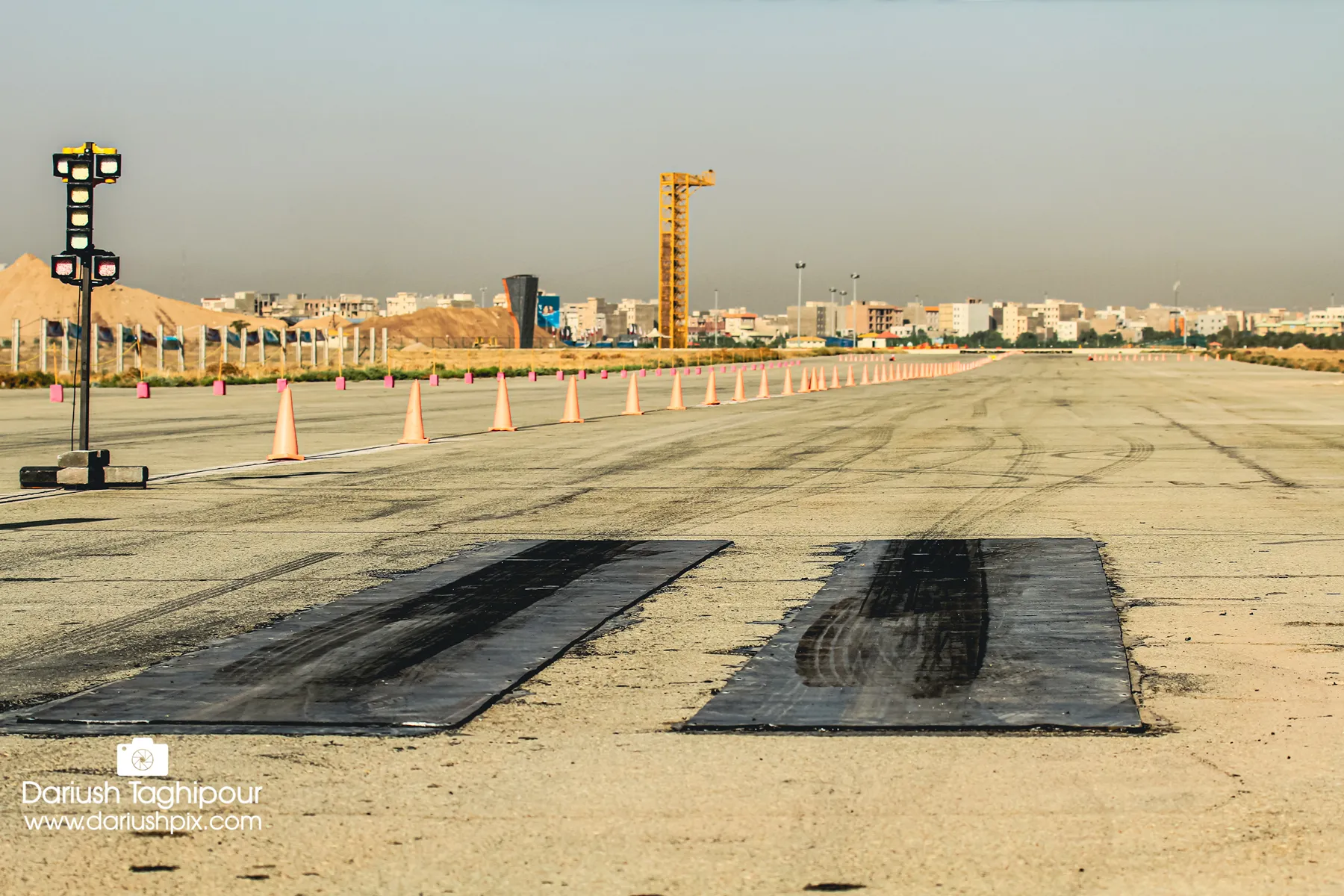
The start line (the “Christmas Tree”) is where the most dramatic action occurs. This is the split second where physics is pushed to its limit.
- Tire Wrinkle: Using a high shutter speed (1/2000s or higher), you can capture the exact moment the rear slicks “wrinkle” under the force of thousands of horsepower. This visual detail communicates the sheer power of the engine.
- The “Wheelie”: Dragsters often lift their front wheels off the ground. Getting low to the ground with a wide-angle lens makes this “wheel-up” moment look even more heroic and imposing.
2. Conveying Speed: Panning and Motion Blur
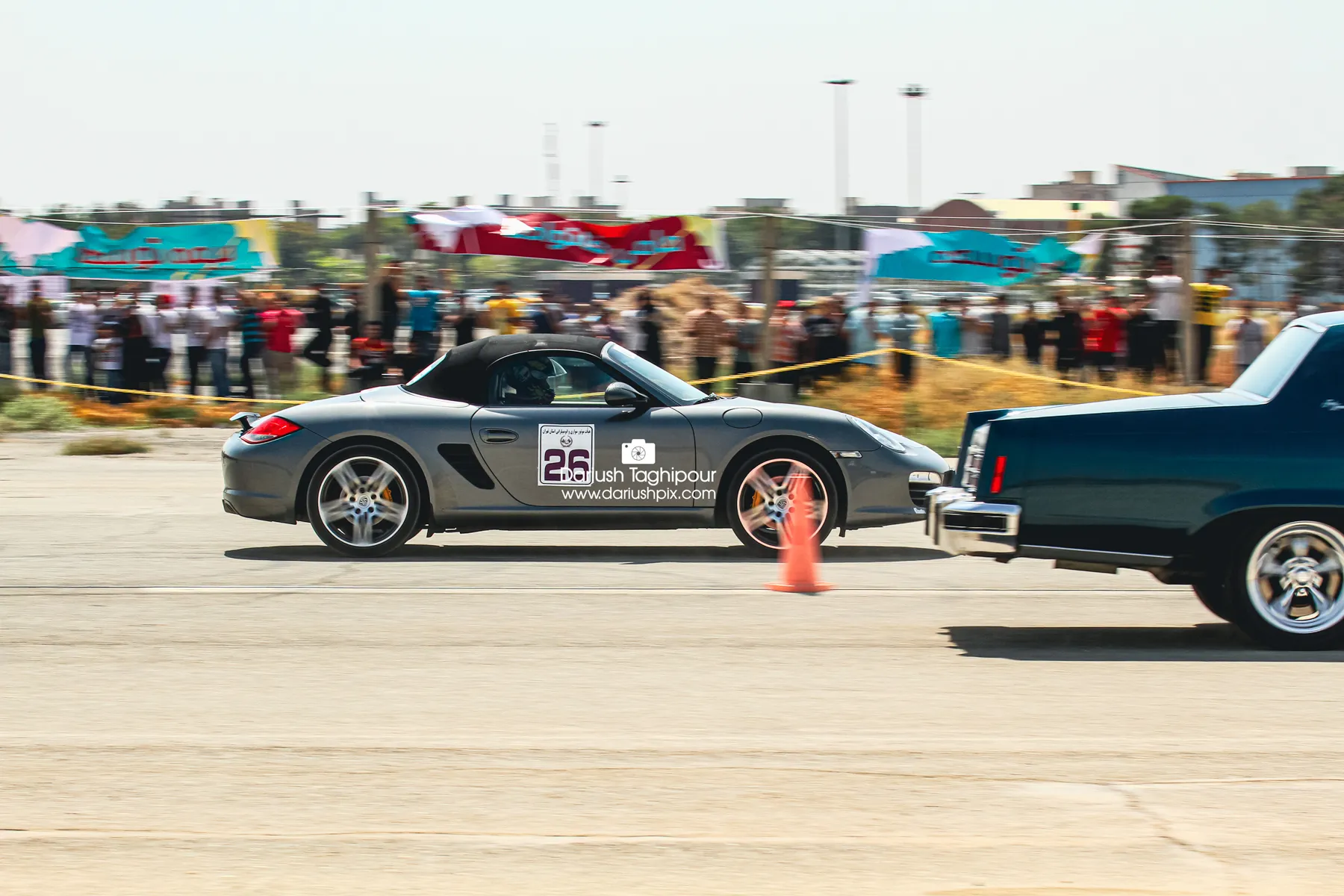
While freezing the action is great for detail, a static car can look like it’s parked. To show the 200+ mph reality, you must master motion.
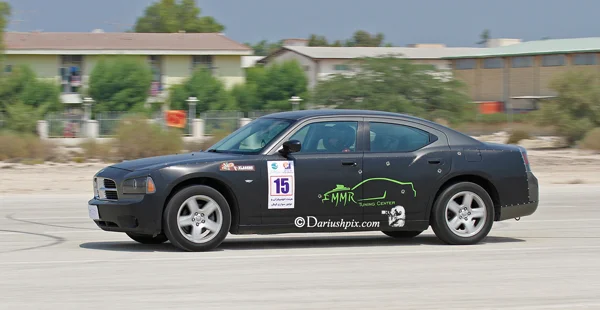
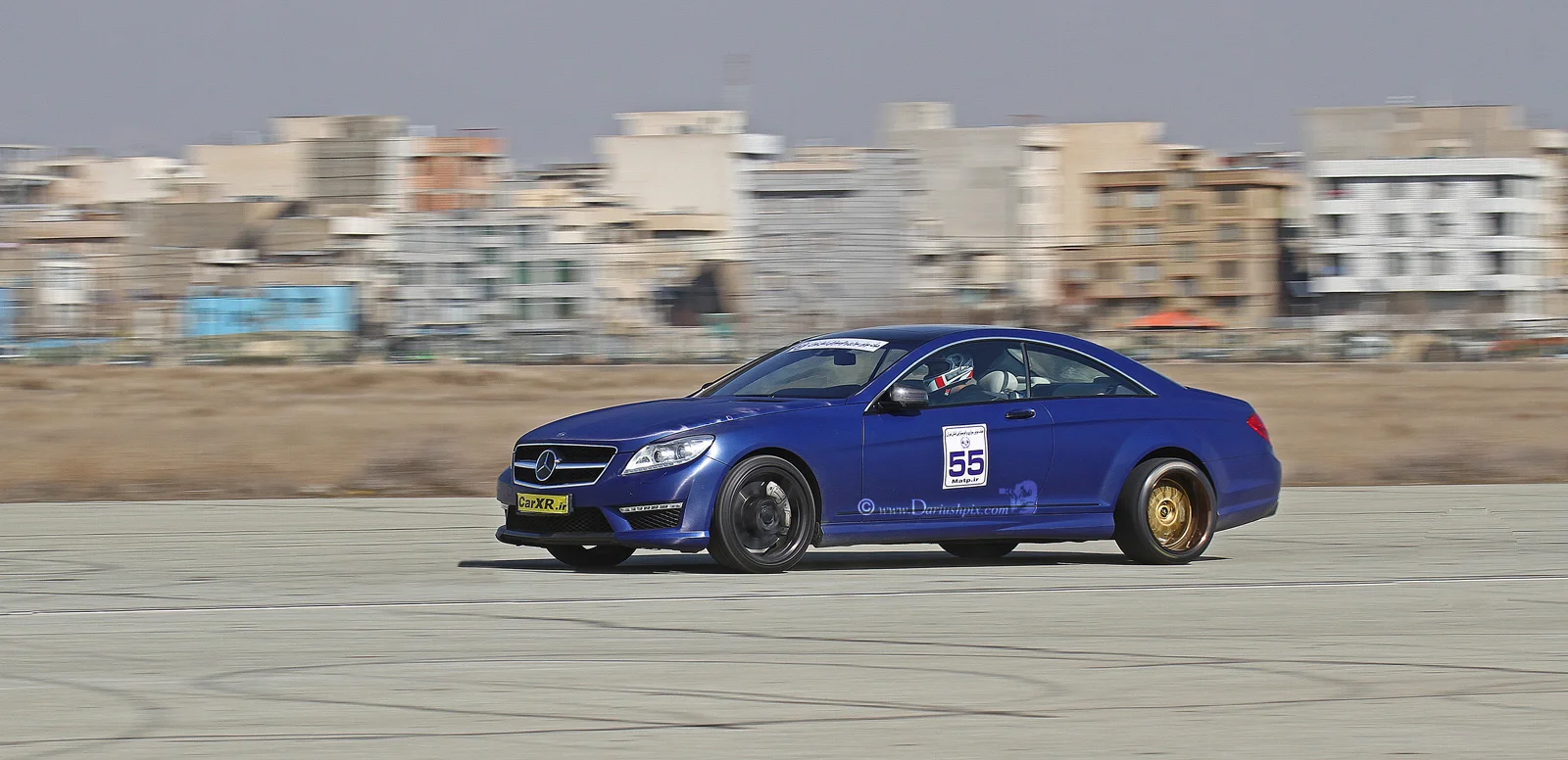
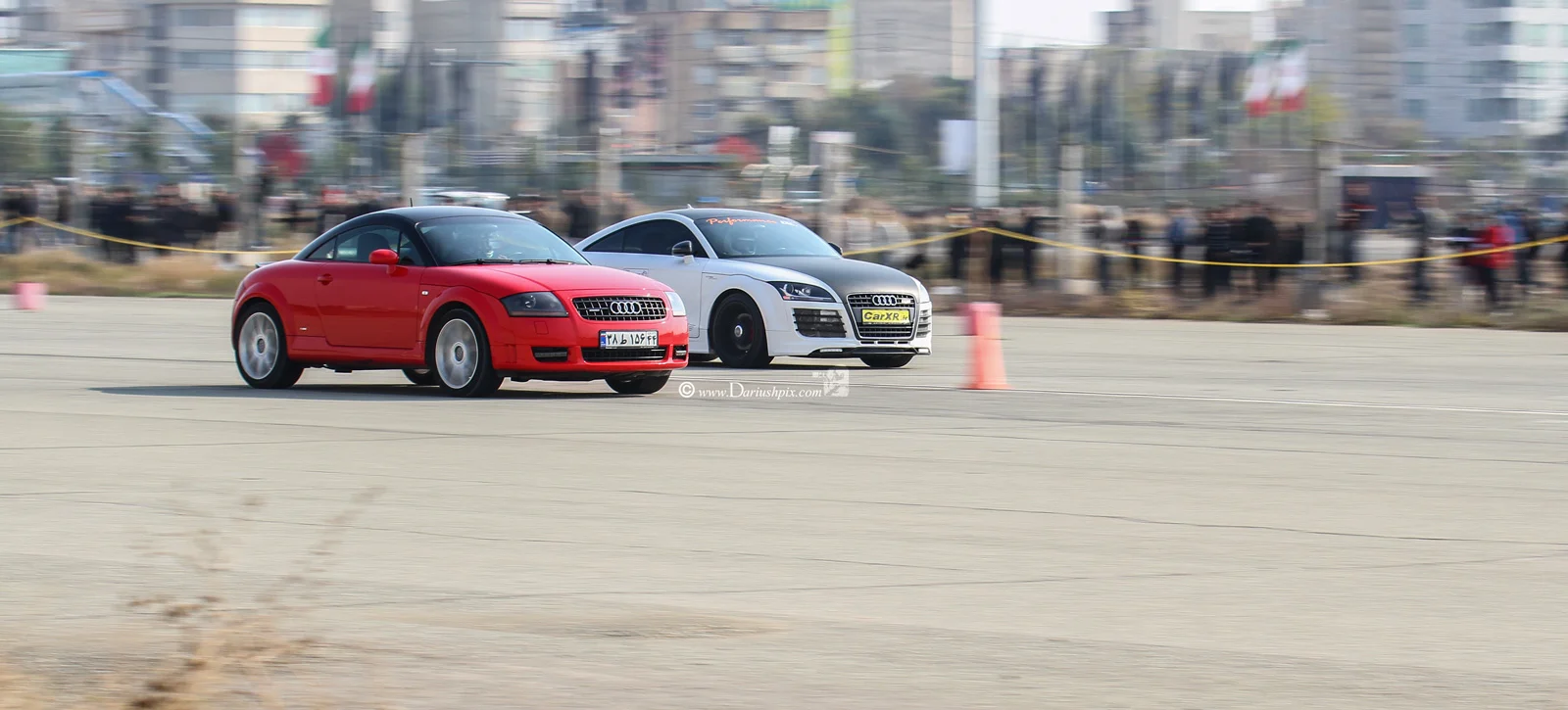
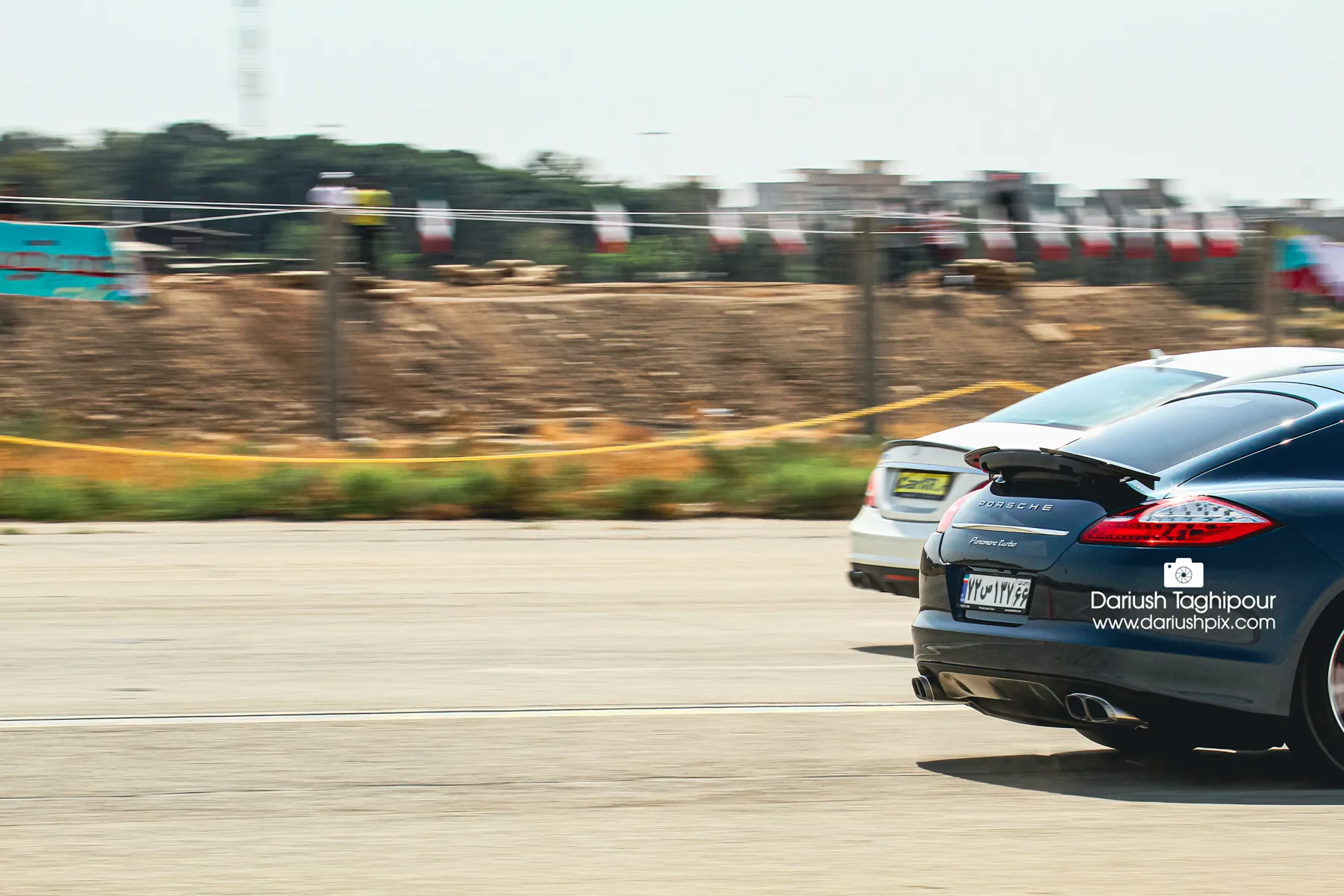
- Side-Profile Panning: By tracking the car as it flies down the strip with a slower shutter speed (1/60s to 1/125s), you keep the car sharp while the background and the wheels become a colorful horizontal blur. This creates a cinematic sense of “tunnel vision.”
- Heat Haze: Capturing the shimmering heat waves coming off the exhaust or the track surface adds a layer of atmospheric storytelling, showing the extreme temperatures involved in a 4-second pass.
3. Composition and Perspective
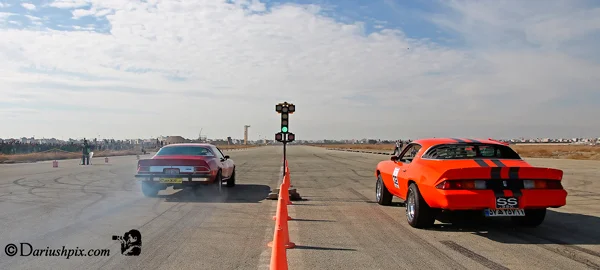
- The “Christmas Tree” Symmetry: Using the starting lights as a central anchor in your composition creates a sense of anticipation. Framing two cars side-by-side with the lights in the middle emphasizes the head-to-head rivalry.
- The Parachute Shot: The race doesn’t end at the finish line. Capturing the deployment of the parachutes at the end of the track provides a sense of “relief” and scale, showing just how much force is needed to stop these machines.